Beyond the ordinary
This is where our journey begins.
Explore what is important to you and why.
What do you want to happen in the event of getting sick, frail or not able to think clearly for yourself?
Who do you trust to serve as your spokesperson if needed?
Being prepared is a bit of a myth. When it comes to death, because it is so personal and our relationship with each person is very different we are never really 'ready' or know what to do. It is normal for our emotions to be high, our natural coping mechanisms will come into play.
The resources on this page are designed to give your mind information to prepare.
There are also documents required to record your wishes, instructions and directions for your health, wealth and well being. It is a page to keep coming back to, revisiting as you navigate the various stages and phases.
The following can help start the thinking and planning process.
Often, we don't know what we don't know, and what to consider. This is a good place to start.
My Values

As a result of serious illness, accident or simply as a result of decline at the end of life, you may reach a stage when you are incapable of making or communicating your choices concerning your health care and medical intervention.
In this situation, your doctor and family will have to make decisions for you, and they will look for clear guidance from you.
That's where MyValues can help.
Statement of Choices

The Statement of Choices is a values-based document that records your health care wishes and preferences. Its purpose is to guide or inform the people who may need to make health care decisions for you if you cannot make those decisions for yourself. It helps decision-makers consider what decisions they might have made under the circumstances, had they been able to do so.
It is not a legally binding document. It does not provide consent to or refusal of treatment.
POA - Who Do You Choose?

A power of attorney allows you (the principal) to appoint someone you trust (i.e. an attorney or attorneys) to make decisions for you during your lifetime.
Know Your Options
Options of Care
Each stage of well-being has its own requirements.
Being freeliving and independent, most likely need very little support.
An incident or illness might require more, even for a short term, whereas becoming more frail, forgetful, and less independent, it is wise to seek more help.
Independent - Community Support
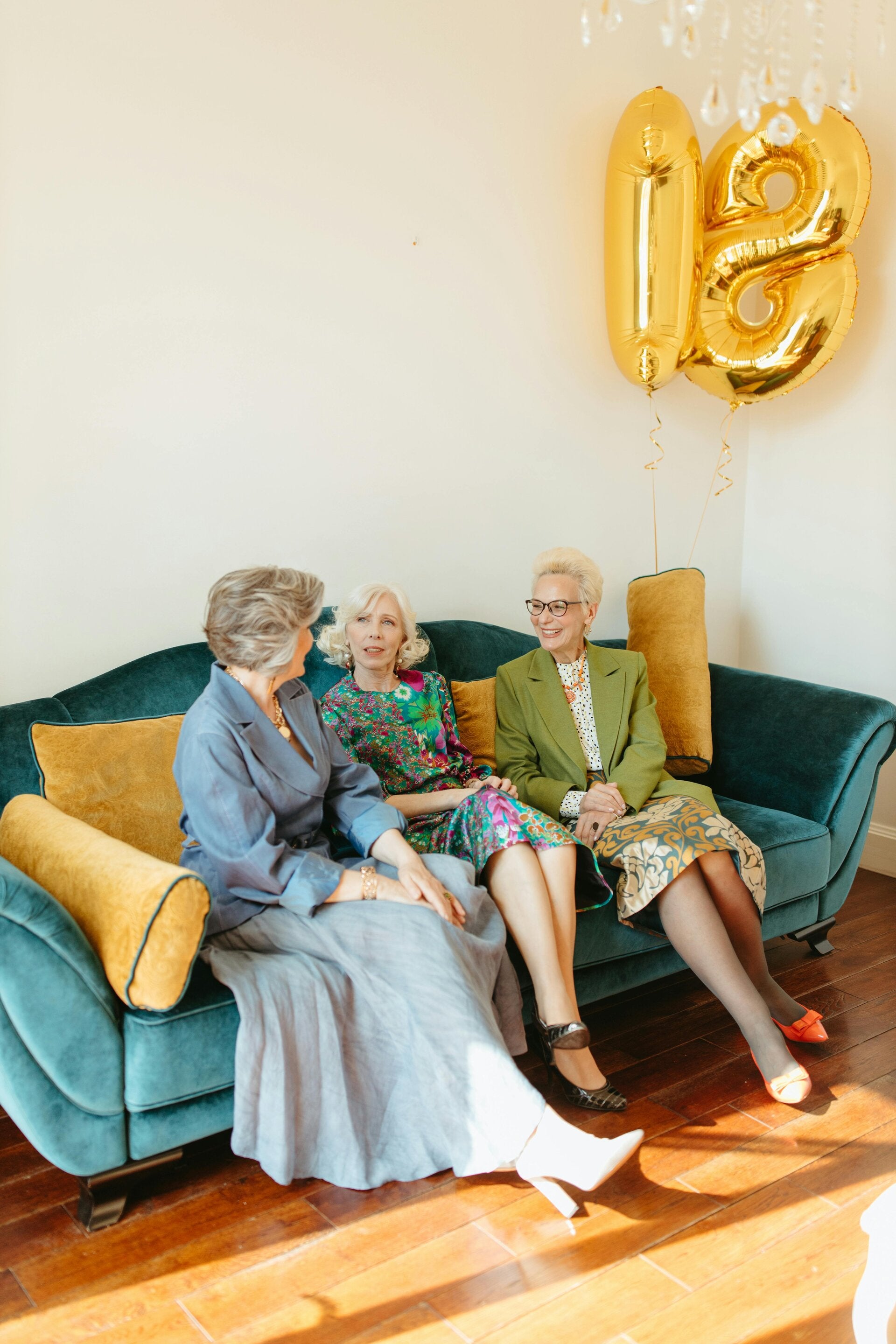
There is a variety of services and ways to stay connected within the community. From volunteering, social outings and community events.
You might access support with home delivery of shopping, meals on wheels, check in calls to ensure all is well.
Independent - NDIS Younger then 65

Provides funding to eligible people with permanent and significant disabilities by acquired by diease, injury or genetic.
Designed to help participants increase their independence, access new skills and jobs, and improve their quality of life.
Applications are possible up to the age of 65, and reassessed if you health needs increase.
You might access support with home, Allied - body, mind, emotional Health, shopping, meals, community engagement, employment support and adjustment
It is suggested to consider NDIS qualification before waiting for MyAged Care for support. You may benefit now.
In Home Support & Care over 65

In-home care is designed to provide support and nursing care so you can stay in your home for longer and more easily.
The range of services available to you is guided by the My Aged Care Assessment, which outlines the level and type of support you need to maintain wellness and independence.
Palliative Care

Palliative care is healthcare that focuses on improving quality of life and care for people with life-limiting illnesses and their families.
It includes:
-
the prevention and relief of suffering
-
communication about goals of care
-
the early identification, assessment and treatment of physical, psychological, emotional, social and spiritual symptoms.
-
helps people live as actively as possible until death by enhancing their quality of life.
Planning your Dying or Unsure of Who to Call..
Know Your Options
There are always options, even if they are hidden or hard to find. Keep looking, asking and be open to what is right and best for you, your family and your circumstances. It's your life, your rights, within the Law and statutory legislation. Voluntary Assisted Dying and choosing your funeral home are things to choose.
Neither is necessarily easy, yet both put a lot more power and choice into your hands.
End-of-Life Care

Voluntary Assisted Dying

Tender Transfer Services

End-of-life care is compassionate support provided during the final months, weeks, or days of life.
It focuses on comfort, pain management, and dignity, while also supporting families through psychosocial, cultural, and spiritual care.
Where Care is Provided
Care can be delivered wherever the patient feels most comfortable and secure, including:
- At Home: Supported by specialised community nursing and visiting practitioners.
- Hospices: Dedicated facilities offering specialised 24/7 care and symptom management.
- Hospitals: For acute symptom management or when continuous medical oversight is required.
- Residential Aged Care: Facilities with staff trained in palliative support for older Australians.
There is a range of supports, including financial support, to help a person choose their care location.
Voluntary Assisted Dying is a relatively new option available to some people who meet a very strict guideline.
It isn't for everyone, and not everyone will agree.
Has someone passed away, and you need immediate assistance?
Not sure about a funeral home? Not sure who to call?
Tender Transfer Services removes the stress of quickly nominating a funeral home. TTS provides an intermediary step between the passing of your loved one and deciding which funeral home to engage.
When you have engaged a funeral home, they contact us to organise for your loved one to be taken into their care and for the funeral arrangements to be made.
Less urgency, stress, and you have the space to do the research to ensure the funeral home you engage matches your values, needs and requests.
Recording Your Plans - Bringing it all Together

What to do with all the information you think about, decide upon and choose to share for generations. Family history, memories, significant events, dates acheivements through to your wishes, ideals and directives.
This workbook was lovingly created by Desley, who also joined us on the Honouring Life Podcast Ep 9.

Keep it all together and share
Work though the checklist and see what is still needed to ensure your ideas, wishes, documents and plans are safe, but also complete.
The documents aren't designed to sit in a home drawer and go unseen by those who need to know your wishes. Along with other important information, such as bank account details. Blood type, Statement of choices, Centrelink/DVA reference No.
These are sensitive details, so being cautious about who and where they are stored is essential.
Copy, certify, and give to your
- Doctor
- The Health Department and the hospital admissions.
- Your nominated executor/s
- A trusted friend, and/or solicitor.
Give copies of the Financial POA to your financial institutions
- Banks
- Centrelink, DVA
- Accountant