“I will not say: do not weep; for not all tears are an evil.”
J.R.R. Tolkien, The Return of the King
Grief is a deeply personal experience, often arriving unexpectedly and disrupting our lives. It doesn't adhere to schedules or responsibilities. For some, it may be fleeting, while for others, it can be overwhelming. The key to navigating grief is to allow it space and time.
Grief experiences vary depending on individuals, situations, and reasons. Sometimes, a seemingly minor event can trigger a cascade of emotions. This page offers compassionate support and resources to help you through your unique journey.
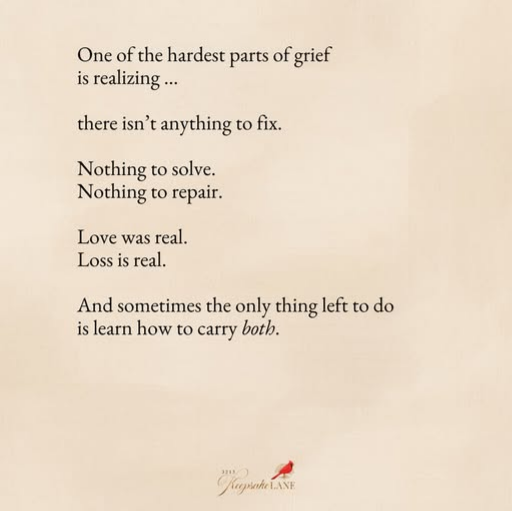
Grief, is not a straight line, but often a wild ride to learn how to hold on and breathe deeply.
Grief takes time to navigate, but the amount of time is personal to you. For some, it can be reasonably 'quick'; for others, the escape from its depths may not seem possible. In our world, where quick fixes and emotions are to be avoided, dirty laundry is still encouraged to be aired in private, or not at all; permitting yourself to ride Grief's wave for some feels impossible.
From my readings and witnessing grief caused by many different events, the take-home message is one of being gentle with yourself, permitting yourself to navigate it in your way and time, but seeking help when the overwhelm and depth become too great to bear.
Many support lines are available, including text-only, in-person, phone, and FaceTime. The organisations have adapted to suit their audience - you, the one needing to express, be supported in a way that works best for your emotional and mental state.
The idea that time is the greatest healer is a myth.
Time doesn't heal; it creates distance and can help close gaps in memory recall, but it doesn't remove the event from memory or, at times, the depth of pain associated with grief.
What heals over time is the process of coming to terms, accepting and allowing all that is and what was, coming to peace, and acknowledging the emotions and reactions that occasionally arise. Give them space to move through with mindfulness practices so they can come and go without lingering any more than is necessary for their processing.
Learn coping skills and strategies that help you navigate the memories, feelings, and new experiences. Ask for help, I know, is one of the hardest things to do when consumed with ongoing grief, pain, and challenges, but it does make a difference. Being heard and validated, and knowing you are not alone in the journey, can open the door to a more manageable way of moving through.
Reach out to support groups with trained facilitators. These groups, or others who have experienced similar situations, can help you feel normal and, therefore, safer being yourself at the various stages you are in.
Above all, know you are experiencing normal reactions and responses to an extremely difficult situation. You are not inadequate, inferior, or anything less than. You are having a very human experience of the loss of someone so very important to you, and at times, that someone is yourself.

How to help someone who is grieving?
People often say at funerals, ‘If you need anything, just let me know.’ While this is usually well-meaning, it does place the responsibility for asking for help on the bereaved person. If you want to help, be specific in your offer. Of course, how exactly you can help will depend on the individual.
Grief can be exhausting, and the bereaved person may appreciate some relief from daily tasks, e.g. cooking, childcare and shopping. You may want to offer to help with paperwork, as there can be a lot to sort through after a death, which can feel overwhelming. Download the Gather My Crew app and start suggesting what needs doing, so the people in the Crew Team (friends and family who sign up to help) know what is needed, and they can claim the task to do.
Practical assistance like this can be a good way of demonstrating that you are there for them. Actions often speak louder than words, and when the funeral is over, and for a long time afterwards, bereaved people may need and appreciate both practical help and emotional support.

Organisations and Facilitators.
A guiding voice through the universal human experience of grief.
Grief Australia is an independent, not-for-profit organisation, striving to change the way Australia lives with grief. We are a leading voice on grief in Australia, providing evidence-informed counselling, training, and research to collectively strengthen the nation’s response to grief. We believe that by leading with empathy, courage, curiosity, and compassion, we can live and learn together, and a greater understanding of grief will become possible.


National grief support - you are not alone in your grief
Griefline offers free, compassionate, and confidential support. Because grief deserves to be heard, not dismissed.
National Association for Loss and Grief
Because healing starts with Support
FREE Support for Loss + Grief
NALAG provides free loss + grief support across Australia for individuals, groups, and communities facing loss or trauma. Support covers all types of loss—death, separation, miscarriage, illness, disability, pet loss, and disasters.


Roses in the Ocean
Since 2011, Roses in the Ocean has evolved from hosting community events into a national lived-experience organisation for suicide in Australia, recognised internationally for developing best practice in lived-experience capacity building, integration, and partnership.
As the only 100% lived experience of a suicide organisation of its kind, we have a significant role in collaboratively working with government and the suicide prevention sector to drive system reform and are at the centre of the establishment of a much broader suicide prevention system that reaches far beyond the health system alone. We continue to learn and grow as we build the path on which we walk, always listening deeply to people with lived experience of suicide and bringing our collective lived experience lens to everything we do.
Grief and Loss Program - Blue Care
People experience grief in many ways. It is normal for bereavement to bring with it a mixture of intense feelings of sadness, confusion, anger, guilt and fear as well as memories of happier times.
Blue Care recognises that some people may need extra support during this journey, and since 1990, has been conducting a specialised Grief & Loss Program.
Aim of the program:
• to provide information on the grief process
• to offer practical advice following the loss of a loved one
• to provide emotional and social support
• to enhance effective coping skills
The Group meets regularly with trained facilitators to provide emotional, social, and practical support for group members. This is a structured program of two hours per week over eight weeks. Participants really benefit from sharing their experiences in the safety of a small group.

Support and Agencies From around the World
Good Grief
For too long, death and grief have been subjects our society has avoided, leaving many people feeling alone and unsupported in their darkest hours.
Our aim is to host highly engaging programmes of events and courses that bring people together to gain insight and knowledge, hear stories they can relate to, and find support and healing as part of the Good Grief community.
Since our first festival in October 2020, Good Grief has welcomed over 35,000 people to over 300 events, including talks, interviews, webinars, courses and workshops.
Events and

Frequently asked questions
At Honouring Life Education, we understand that grief is a unique and individual process. We offer a range of resources, information and support to help you navigate this challenging time. Our approach is rooted in compassion and understanding, recognising that there is no one-size-fits-all solution to grief.
What types of grief is there?
The death of a family member, friend or other close person can trigger grief.
A number of other experiences can also cause feelings of loss and grief. These experiences might include:
- separation, divorce or relationship breakdown
- loss of possessions through disaster or theft
- children leaving home
- placing your child(ren) into someone else’s care
- unemployment, retrenchment or retirement
- death of a pet
- infertility, stillbirth, miscarriage or abortion
- the loss of a person who is missing.
Is professional help necessary?
The information provided on this page is for general consideration. If you are experiencing intense emotions or trauma, seeking guidance from a counsellor or other qualified professional can be extremely beneficial. Grief is not a cookie-cutter experience; each person's journey is unique, and it can vary with every encounter.
Grief support services provide counselling, support and education to bereaved individuals, children and families. The opportunity to talk things over with a professional counsellor may help you make sense of your feelings.
Counsellors can offer you encouragement and support through the grieving process. They will not tell you what to do or how you should be feeling, but they may put forward ideas and strategies to help you cope.
Grief support services aim to:
- assist and guide people through the grieving process
- help with complicated grief issues to prevent physical and mental health problems occurring.
How is Honouring Life Education different?
We understand that grief is a multifaceted experience that requires a holistic approach. Unlike other resources, we focus on empowering you with information and connecting you with the right support, tailored to your specific needs.
Where can I find additional resources?
Visit our Resources and Guides page for a curated list of external organisations and services that can provide further assistance and information.
Can you recommend any books?
Check out our Blogs page for book reviews and recommendations related to grief and bereavement. We regularly update our list with valuable resources.
What if I feel completely overwhelmed?
Reach out to one of the crisis and support lines listed below. You don't need to navigate this alone, even if you feel lost, isolated, and in intense pain. Your response is normal given the difficult reality you are facing. Be gentle with yourself and others.
Who can I contact in a crisis?
Reach out, it can save your sanity, if not your life!
Please reach out if you feel you are over your head or are aware of someone else struggling.
Grief, pain, and deep sadness and overwhelm are crippling, and at times, even just being on the phone with someone on the other end, witnessing your pain, without words, without questions, can make a world of difference. It has for me. Several times, I have called Lifeline and just cried into the phone. Knowing there was a compassionate, unbiased and unknowing person there holding space for me allowed me to cry even more and get it out. I didn't feel obliged to consider their grief or feelings as I would a friend or family member. I could cry for me and me alone.
National Contacts
-
Lifeline Australia
-
Phone: 13 11 14
-
Website: lifeline.org.au
-
Available 24/7 for crisis support and suicide prevention.
-
-
Beyond Blue
-
Phone: 1300 22 4636
-
Website: beyondblue.org.au
-
Provides information and support to help everyone in Australia achieve their best possible mental health.
-
-
GriefLine
-
Phone: 1300 845 745
-
Website: griefline.org.au
-
Offers free telephone and online support services for people experiencing grief and loss.
-
-
Grief Australia
-
Phone: (03) 9265 2100
-
Website: grief.org.au
-
Provides education, training, and resources for those experiencing grief and loss.
-
-
MensLine Australia
-
Phone: 1300 78 99 78
-
Website: mensline.org.au
-
A telephone and online support, information, and referral service, helping men deal with relationship problems practically and effectively.
-
Who can children contact in a crisis?
- Children can experience loss and grief from a very young age. Their feelings might be triggered by the death of a parent or close relative, family separation, the death or loss of a pet or many other situations.
- Kids Helpline offers a confidential 24-hour counselling service for children and young adults aged from five to 25 years. They can call from anywhere in Australia for free on Tel 1800 551 800.
Do you offer any courses on grief?
Please visit our Courses page to explore courses on grief, bereavement, and end-of-life care. We continually develop new content to support your needs.
Finding solace and support
At Honouring Life Education, we understand that navigating grief can be overwhelming. We're here to provide compassionate support and resources to help you through this challenging time. Remember, you are not alone.